
Biotech - Articles
Active pharmaceutical ingredients (APIs) are biologically active components in pharmaceutical drugs, responsible for the intended therapeutic effects.
Active pharmaceutical ingredients (APIs) are biologically active components in pharmaceutical drugs, responsible for the intended therapeutic effects. APIs are prepared through chemical synthesis or biotechnology, meeting stringent quality standards and regulatory requirements. We maintain a professional attitude and ensures the effectiveness and safety of our APIs product. APIs combine with excipients to create different dosage forms. In general, APIs play a pivotal role in drug therapy, benefiting patients worldwide through enhanced therapeutic efficacy and improved treatments. Anesthetic Analgesia APIs Anesthetics are a class of strong ana…
Active pharmaceutical ingredients (APIs) are biologically active components in pharmaceutical drugs, responsible for the intended therapeutic effects. APIs are prepared through chemical synthesis or biotechnology, meeting stringent quality standards and regulatory requirements. We maintain a professional attitude and ensures the effectiveness and safety of our APIs product. APIs combine with excipients to create different dosage forms. In general, APIs play a pivotal role in drug therapy, benefiting patients worldwide through enhanced therapeutic efficacy and improved treatments. Anesthetic Analgesia APIs Anesthetics are a class of strong ana…
Water for Injection is an essential component of pharmaceutical manufacturing, ensuring the safety and efficacy of products. From injectable drugs to vaccine production, WFI plays a critical role at every stage of the process, underscoring the need for precision, compliance, and innovation in its production and application.
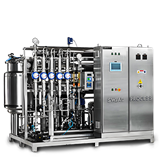
Swjal Process is a leading pharmaceutical-grade water generation and distribution plant manufacturer in India.
The Role of Water for Injection (WFI) in Pharmaceutical Manufacturing Water for Injection (WFI) serves as a cornerstone of pharmaceutical manufacturing, where the highest standards of quality and purity are paramount. Its use spans the production of injectable drugs, vaccines, and other critical healthcare products, requiring utmost precision and control to e…
The Role of Water for Injection (WFI) in Pharmaceutical Manufacturing Water for Injection (WFI) serves as a cornerstone of pharmaceutical manufacturing, where the highest standards of quality and purity are paramount. Its use spans the production of injectable drugs, vaccines, and other critical healthcare products, requiring utmost precision and control to e…
Microbial metabolomics is a rapidly evolving field that focuses on the comprehensive analysis of metabolites produced by microorganisms. This area of research is crucial for understanding microbial physiology, interactions, and their roles in various ecosystems, including human health and disease. The research process in microbial metabolomics typically encompasses several key stages: sample preparation, signal acquisition, data processing, and biological interpretation.
Microbial metabolomics is a rapidly evolving field that focuses on the comprehensive analysis of metabolites produced by microorganisms. This area of research is crucial for understanding microbial physiology, interactions, and their roles in various ecosystems, including human health and disease. The research proces…
Microbial metabolomics is a rapidly evolving field that focuses on the comprehensive analysis of metabolites produced by microorganisms. This area of research is crucial for understanding microbial physiology, interactions, and their roles in various ecosystems, including human health and disease. The research proces…
Cytokines are a diverse group of small protein molecules that play crucial roles in the immune system and various biological processes. They are synthesized and secreted by a range of immune cells, including monocytes, macrophages, T cells, B cells, and natural killer (NK) cells, as well as certain non-immune cells like endothelial cells, epidermal cells, and fibroblasts.
Cytokines are a diverse group of small protein molecules that play crucial roles in the immune system and various biological processes. They are synthesized and secreted by a range of immune cells, including monocytes, macrophages, T cells, B cells, and natural killer (NK) cells, as well as certain non-immune cells like endothelial cells, epidermal cells, and fibroblasts. Cytokines are produced in response to variou…
Cytokines are a diverse group of small protein molecules that play crucial roles in the immune system and various biological processes. They are synthesized and secreted by a range of immune cells, including monocytes, macrophages, T cells, B cells, and natural killer (NK) cells, as well as certain non-immune cells like endothelial cells, epidermal cells, and fibroblasts. Cytokines are produced in response to variou…
Despite its promise, CAR T-cell therapy is not without risks. One of the most significant side effects is cytokine release syndrome (CRS), a severe and potentially life-threatening condition characterized by an overwhelming inflammatory response.
CAR T-cell therapy represents a groundbreaking advancement in the field of oncology, particularly in the treatment of certain types of blood cancers such as leukemia and lymphoma. This innovative therapy involves the genetic engineering of T cells, which are a type of white blood cell crucial for the immune response. These T cells can be sourced from the patient (autologous) or from a donor (allogeneic). The engineering process involves equipping these T cells with chimeric antigen receptors (CARs) that enable them to specifically recognize…
CAR T-cell therapy represents a groundbreaking advancement in the field of oncology, particularly in the treatment of certain types of blood cancers such as leukemia and lymphoma. This innovative therapy involves the genetic engineering of T cells, which are a type of white blood cell crucial for the immune response. These T cells can be sourced from the patient (autologous) or from a donor (allogeneic). The engineering process involves equipping these T cells with chimeric antigen receptors (CARs) that enable them to specifically recognize…
Lipids represent a diverse and complex group of compounds that are chemically and structurally non-homogeneous. These molecules are primarily characterized by their solubility in organic solvents and their insolubility in water. In nature, lipids encompass a variety of substances, including fatty acids and their derivatives, such as esters and amines.
Lipids represent a diverse and complex group of compounds that are chemically and structurally non-homogeneous. These molecules are primarily characterized by their solubility in organic solvents and their insolubility in water. In nature, lipids encompass a variety of substances, including fatty acids and their derivatives, such as esters and amines. Additionally, they include compounds that are related to the biosynthesis and functional role…
Lipids represent a diverse and complex group of compounds that are chemically and structurally non-homogeneous. These molecules are primarily characterized by their solubility in organic solvents and their insolubility in water. In nature, lipids encompass a variety of substances, including fatty acids and their derivatives, such as esters and amines. Additionally, they include compounds that are related to the biosynthesis and functional role…
Research has highlighted the significant role of free fatty acids in various metabolic disorders. Elevated levels of FFAs are closely linked to abnormal glucose and lipid metabolism, contributing to a range of cardiovascular diseases. Conditions such as obesity, hypertension, hyperinsulinemia, and type 2 diabetes have all been associated with dysregulated fatty acid levels. Thus, monitoring and understanding free fatty acids is essential for assessing metabolic health.
Fatty acids are a vital class of carboxylic acid compounds characterized by hydrocarbon chains attached to carboxyl groups. These compounds are predominantly found in esterified forms within various lipids, including neutral lipids, phospholipids, and glycolipids. Collectively, these are often referred to as fatty acid esters…
Fatty acids are a vital class of carboxylic acid compounds characterized by hydrocarbon chains attached to carboxyl groups. These compounds are predominantly found in esterified forms within various lipids, including neutral lipids, phospholipids, and glycolipids. Collectively, these are often referred to as fatty acid esters…
Currently, there are more than 160 PROTAC projects under development worldwide, of which nearly 20 projects are in clinical development. These projects involve a variety of disease targets, including cancer, inflammation, and neurodegenerative diseases.
What Is PROTAC Technology? Proteolytic targeting chimera (PROTAC) is a new type of drug design technology that works by inducing the degradation of target proteins. Unlike conventional small molecules that typically inhibit protein function, PROTACs facilitate the ubiquitination and subsequent degradation of specific proteins. This bifunctional molecule consists of two distinct elements: a ligand that engages a target protein of interest and a second ligand that recruits the E3 ubiquitin ligase, a component of the ubiquitin-proteasome system…
What Is PROTAC Technology? Proteolytic targeting chimera (PROTAC) is a new type of drug design technology that works by inducing the degradation of target proteins. Unlike conventional small molecules that typically inhibit protein function, PROTACs facilitate the ubiquitination and subsequent degradation of specific proteins. This bifunctional molecule consists of two distinct elements: a ligand that engages a target protein of interest and a second ligand that recruits the E3 ubiquitin ligase, a component of the ubiquitin-proteasome system…
tiakis Biotech AG today announced the results of its randomized, double-blind, placebo-controlled clinical Phase Ib/II COMCOVID trial evaluating Tiprelestat for the treatment of patients hospitalized due to COVID-19. Tiprelestat was safe and well tolerated, with initial signs of clinical efficacy.
Kiel, Germany, December 9, 2024 – tiakis Biotech AG, a clinical-stage biopharmaceutical company developing novel therapeutics for life-threatening pulmonary and cardiovascular diseases, today announced the results of its randomized, double-blind, placebo-controlled clinical Phase Ib/II COMCOVID trial evaluating Tiprelestat for the treatment of patients hospitalized due to COVID-19. In 2021, tiakis Biotech received support from the German Federal Ministry of Education and Research (“BMBF”) to initi…
Kiel, Germany, December 9, 2024 – tiakis Biotech AG, a clinical-stage biopharmaceutical company developing novel therapeutics for life-threatening pulmonary and cardiovascular diseases, today announced the results of its randomized, double-blind, placebo-controlled clinical Phase Ib/II COMCOVID trial evaluating Tiprelestat for the treatment of patients hospitalized due to COVID-19. In 2021, tiakis Biotech received support from the German Federal Ministry of Education and Research (“BMBF”) to initi…

Next-generation sequencing (NGS) has revolutionized the field of genomics by enabling researchers to generate vast amounts of sequence data in a single experiment. This technology is particularly valuable in applications such as metagenomics, where it allows for the analysis of complex microbial communities, such as those found in the human gut.
Next-generation sequencing (NGS) has revolutionized the field of genomics by enabling researchers to generate vast amounts of sequence data in a single experiment. This technology is particularly valuable in applications such as metagenomics, where it allows for the analysis of complex microbial communities, such as those found in the human gut. However, despite its advantages, NGS is not without its challenges. The quality of the raw sequencing da…
Next-generation sequencing (NGS) has revolutionized the field of genomics by enabling researchers to generate vast amounts of sequence data in a single experiment. This technology is particularly valuable in applications such as metagenomics, where it allows for the analysis of complex microbial communities, such as those found in the human gut. However, despite its advantages, NGS is not without its challenges. The quality of the raw sequencing da…
This explosion of information presents both remarkable opportunities and significant challenges for researchers. In this era of big data, bioinformatics has emerged as a crucial field, making substantial strides in the analysis and interpretation of complex biological datasets. As a result, there is a pressing need for the development of sophisticated computational techniques and tools that facilitate effective data analysis and visualization, ultimately enhancing our understanding of intricate biological processes.
The advent of next-generation sequencing (NGS) technologies and advanced sequencers has led to an unprecedented surge in biological data generated by the scientific community. This explosion of information presents both remarkable opportunities and significant challenges for res…
The advent of next-generation sequencing (NGS) technologies and advanced sequencers has led to an unprecedented surge in biological data generated by the scientific community. This explosion of information presents both remarkable opportunities and significant challenges for res…
Illumina sequencing, a hallmark of second-generation sequencing technology, has revolutionized genomics research. This method employs a sophisticated reversible dye terminator technology to accurately determine the sequence of DNA molecules. The process begins with the fragmentation of DNA samples into short segments, typically ranging from 100 to 150 base pairs (bp).
In the rapidly evolving field of genomics, sequencing technologies play a crucial role in advancing our understanding of genetic material. Among the most prominent methods are Illumina sequencing and nanopore sequencing, each offering unique advantages and capabilities that cater to different research needs. What is Illumina Sequencing? Illumina sequencing, a hallmark of second-generation sequencing technology, has revo…
In the rapidly evolving field of genomics, sequencing technologies play a crucial role in advancing our understanding of genetic material. Among the most prominent methods are Illumina sequencing and nanopore sequencing, each offering unique advantages and capabilities that cater to different research needs. What is Illumina Sequencing? Illumina sequencing, a hallmark of second-generation sequencing technology, has revo…
The significance of degradome sequencing lies in its ability to provide a more accurate and reliable identification of miRNA target genes compared to traditional bioinformatics predictions. By directly analyzing mRNA degradation fragments, researchers can validate miRNA interactions with target genes more effectively, thus simplifying subsequent experimental validation.
Degradome sequencing, also known as parallel analysis of RNA ends (PARE) sequencing, is a cutting-edge technique that leverages high-throughput sequencing and bioinformatics to investigate the degradation products of mRNA. This method is particularly valuable for identifying the target genes regulated by microRNAs (miRNAs), which are small, endogenous non-coding RNAs approximately 22 nucleotides in length. miRNAs play crucia…
Degradome sequencing, also known as parallel analysis of RNA ends (PARE) sequencing, is a cutting-edge technique that leverages high-throughput sequencing and bioinformatics to investigate the degradation products of mRNA. This method is particularly valuable for identifying the target genes regulated by microRNAs (miRNAs), which are small, endogenous non-coding RNAs approximately 22 nucleotides in length. miRNAs play crucia…
Traditional RNA sequencing methods typically analyze bulk samples containing thousands to millions of cells, which can obscure the unique characteristics of individual cells. Since the pioneering scRNA-seq study in 2009, there has been a surge of interest and research in this field, primarily driven by specialized laboratories equipped with advanced wet-lab techniques, bioinformatics expertise, and computational resources.
Introduction to Single-Cell RNA Sequencing Single-cell RNA sequencing (scRNA-seq) represents a groundbreaking advancement in genomic techniques, allowing researchers to detect and quantify messenger RNA (mRNA) molecules at the single-cell level. This capability is crucial for understanding cellular responses and the intricate dynamics of biological systems. Traditional RN…
Introduction to Single-Cell RNA Sequencing Single-cell RNA sequencing (scRNA-seq) represents a groundbreaking advancement in genomic techniques, allowing researchers to detect and quantify messenger RNA (mRNA) molecules at the single-cell level. This capability is crucial for understanding cellular responses and the intricate dynamics of biological systems. Traditional RN…
Selecting the right stability partner is crucial for accelerating your product’s journey to market while ensuring its safety and compliance. A partner with expertise in evolving regulatory requirements, a tailored approach to study design, and robust analytical methodologies can make all the difference in achieving product success. Here, contract research organisation Broughton highlights the top three tips in choosing a stability partner and explains how its extensive expertise positions it as a leader in stability testing.
Selecting the right stability partner is crucial for accelerating your product’s journey to market while ensuring its safety and compliance. A partner with expertise in evolving regulatory requirements, a tailored approach to study design, and robust analytical methodol…
Selecting the right stability partner is crucial for accelerating your product’s journey to market while ensuring its safety and compliance. A partner with expertise in evolving regulatory requirements, a tailored approach to study design, and robust analytical methodol…
18-Nov-2024
MXene have many important application prospects in biomedical imaging, electromagnetic interference shielding, and wearable devices.
MXene is a two-dimensional transition metal carbide or nitride that is widely used in many fields due to its unique physical and chemical properties. Here are some of the main applications of MXene: Energy storage and conversion: MXene shows great potential in the field of energy storage and conversion. MXene has high conductivity, high specific surface area and excellent mechanical strength, which makes it perform well in a variety of energy storage devices such as supercapacitors, lithium-ion batteries, sodium-ion batteries, etc. The application of MXene in supercapacitors is mainly due to its high specific surface area and fast ion transport ability. Studie…
MXene is a two-dimensional transition metal carbide or nitride that is widely used in many fields due to its unique physical and chemical properties. Here are some of the main applications of MXene: Energy storage and conversion: MXene shows great potential in the field of energy storage and conversion. MXene has high conductivity, high specific surface area and excellent mechanical strength, which makes it perform well in a variety of energy storage devices such as supercapacitors, lithium-ion batteries, sodium-ion batteries, etc. The application of MXene in supercapacitors is mainly due to its high specific surface area and fast ion transport ability. Studie…
Mannitol is widely used in the biomedical and pharmaceutical industries due to its unique properties and potential applications.
What Is Mannitol? Mannitol, chemical formula C6H14O6, is a white, crystalline powder with a sweet taste. It is classified as a sugar alcohol, which means it has characteristics of both sugars and alcohols. Mannitol is widely used in the biomedical and pharmaceutical industries due to its unique properties and potential applications. Production and Sources of Mannitol Mannitol can be extracted from various natural sources, such as seaweed, or produced synthetically. Mannitol is widely produced in nature by various organisms including algae, fungi, bacteria, and plants. Researchers are exploring sustainable and cost-effective methods for large-scale mannitol…
What Is Mannitol? Mannitol, chemical formula C6H14O6, is a white, crystalline powder with a sweet taste. It is classified as a sugar alcohol, which means it has characteristics of both sugars and alcohols. Mannitol is widely used in the biomedical and pharmaceutical industries due to its unique properties and potential applications. Production and Sources of Mannitol Mannitol can be extracted from various natural sources, such as seaweed, or produced synthetically. Mannitol is widely produced in nature by various organisms including algae, fungi, bacteria, and plants. Researchers are exploring sustainable and cost-effective methods for large-scale mannitol…
Oral liquid formulations hold a special place, offering alternatives particularly appealing for specific populations and addressing unique formulation challenges.
In the ever-evolving world of pharmaceutical development, the quest to innovate and improve the delivery of drug substances remains a top priority. Among the many formulation strategies, oral liquid formulations hold a special place, offering alternatives particularly appealing for specific populations and addressing unique formulation challenges. The Necessity of Oral Liquid Formulations Developing an oral liquid formulation is often necessary when traditional solid dosage forms, like tablets or capsules, become impractical or less effective. This requirement frequently arises in populations such as pediatrics or geriatrics,…
In the ever-evolving world of pharmaceutical development, the quest to innovate and improve the delivery of drug substances remains a top priority. Among the many formulation strategies, oral liquid formulations hold a special place, offering alternatives particularly appealing for specific populations and addressing unique formulation challenges. The Necessity of Oral Liquid Formulations Developing an oral liquid formulation is often necessary when traditional solid dosage forms, like tablets or capsules, become impractical or less effective. This requirement frequently arises in populations such as pediatrics or geriatrics,…
There are significant differences between titanium dioxide nanomaterials and non-nano titanium dioxide in many aspects, mainly reflected in physical properties, chemical properties and application fields.
From the perspective of physical properties, nanoscale titanium dioxide has a larger specific surface area and higher surface activity due to its small particle size (usually between 1 and 150 nanometers). This characteristic allows nanotitanium dioxide to exhibit unique properties in terms of optical, electrical and thermal properties. Titanium dioxide nanomaterials have unique physical properties, which are mainly related to their nanoscale characteristics. First, titanium dioxide nanomaterials usually have a hexagonal crystal structure, of which hexagon is the most common morp…
From the perspective of physical properties, nanoscale titanium dioxide has a larger specific surface area and higher surface activity due to its small particle size (usually between 1 and 150 nanometers). This characteristic allows nanotitanium dioxide to exhibit unique properties in terms of optical, electrical and thermal properties. Titanium dioxide nanomaterials have unique physical properties, which are mainly related to their nanoscale characteristics. First, titanium dioxide nanomaterials usually have a hexagonal crystal structure, of which hexagon is the most common morp…
Chitin and chitosan, naturally occurring polysaccharides, have emerged as a prominent class of biopolymers with immense potential across various scientific and industrial fields.
Chitin and chitosan, naturally occurring polysaccharides, have emerged as a prominent class of biopolymers with immense potential across various scientific and industrial fields. Their unique properties, biodegradability, and inherent biocompatibility make them attractive alternatives to synthetic materials. It is worth mentioning that chitin and chitosan materials in fiber form have attracted a lot of attention due to their versatility and potential applications in different fields. As high-quality chemical companies like Alfa Chemistry continue their research and development in the field of chitin and chitosan fi…
Chitin and chitosan, naturally occurring polysaccharides, have emerged as a prominent class of biopolymers with immense potential across various scientific and industrial fields. Their unique properties, biodegradability, and inherent biocompatibility make them attractive alternatives to synthetic materials. It is worth mentioning that chitin and chitosan materials in fiber form have attracted a lot of attention due to their versatility and potential applications in different fields. As high-quality chemical companies like Alfa Chemistry continue their research and development in the field of chitin and chitosan fi…
