Biotech - Articles
The toxicity of chemical substances that may cause cancer can be divided into three levels: genotoxicity, mutagenicity and carcinogenicity. Most carcinogens and mutagens are genotoxic, but not all genotoxic impurities are mutagenic or carcinogenic.
Genotoxic impurities (GTI) refer to compounds that can directly or indirectly damage cellular DNA, produce gene mutation or in vivo mutagenesis, and have the possibility or tendency to cause cancer. The fundamental purpose of studying genotoxic impurities is to control and reduce the risk that they may cause cancer in humans. Carcinogens can be divided into genotoxic carcinogens and non-genotoxic carcinogens according to their mechanism of action. Most of the carcinogens encountered in drug development and production are genotoxic…
Genotoxic impurities (GTI) refer to compounds that can directly or indirectly damage cellular DNA, produce gene mutation or in vivo mutagenesis, and have the possibility or tendency to cause cancer. The fundamental purpose of studying genotoxic impurities is to control and reduce the risk that they may cause cancer in humans. Carcinogens can be divided into genotoxic carcinogens and non-genotoxic carcinogens according to their mechanism of action. Most of the carcinogens encountered in drug development and production are genotoxic…
Anisole is used in organic synthesis, and is also used as a solvent, spice and insect repellent. It can also be used as a solvent for recrystallization, thermostat filler, a refractive index meter, a spice, and an organic synthesis intermediate.
What are Anisole and Its Chemical Property? Benzyl ether, also known as anisole, is an organic compound with the chemical formula C7H8O. It has a pleasant fennel like aroma and is used in organic synthesis, as well as solvent, fragrance, and insect repellent. When anisole and a base are heated together, the ether bond is easily broken. When heated to 130°C with hydrogen iodide, it decomposes to generate methyl iodide and phenol. When heated with aluminum trichloride and aluminum tribromide, it decomposes into halomethane and phenoxide. Heated to 380…
What are Anisole and Its Chemical Property? Benzyl ether, also known as anisole, is an organic compound with the chemical formula C7H8O. It has a pleasant fennel like aroma and is used in organic synthesis, as well as solvent, fragrance, and insect repellent. When anisole and a base are heated together, the ether bond is easily broken. When heated to 130°C with hydrogen iodide, it decomposes to generate methyl iodide and phenol. When heated with aluminum trichloride and aluminum tribromide, it decomposes into halomethane and phenoxide. Heated to 380…
Sulfamethoxazole is mainly used in the treatment of bacterial infections such as urinary tract infections, bronchitis, and prostatitis.
Sulfamethoxazole is a crystal or white powder with the chemical name N-(5-methyl-3-isoxazolyl)-4-aminobenzenesulfonamide. It is a sulfonamide bacteriostatic antibiotic that is effective against gram negative and positive bacteria such as Listeria monocytogenes and E.coli. It is mainly used in the treatment of bacterial infections such as urinary tract infections, bronchitis, and prostatitis. Application in the treatment of bacterial infections Sulfamethoxazole was introduced to the United States in 1961. It is now mostly used in combination with trimethoprim. The combination has been included on the WHO Model List of Essential Medicine…
Sulfamethoxazole is a crystal or white powder with the chemical name N-(5-methyl-3-isoxazolyl)-4-aminobenzenesulfonamide. It is a sulfonamide bacteriostatic antibiotic that is effective against gram negative and positive bacteria such as Listeria monocytogenes and E.coli. It is mainly used in the treatment of bacterial infections such as urinary tract infections, bronchitis, and prostatitis. Application in the treatment of bacterial infections Sulfamethoxazole was introduced to the United States in 1961. It is now mostly used in combination with trimethoprim. The combination has been included on the WHO Model List of Essential Medicine…
Cardiovascular drugs are drugs used to treat diseases of the cardiovascular system, including lipid-lowering drugs, anti-heart failure drugs, anti-arrhythmic drugs, anti-hypertensive drugs, anti-anginal drugs and other chemical drugs.
Cardiovascular disease is a serious threat to human life and health. Reasonable prevention and drug treatment are the cornerstones of tackling cardiovascular disease. Cardiovascular APIs are main components of drugs used to treat diseases of the cardiovascular system, including lipid-lowering drugs, anti-heart failure drugs, anti-arrhythmic drugs, anti-hypertensive drugs, anti-anginal drugs and other chemical drugs. Antihypertensive Series There are many types of antihypertensive drugs, and different types of drugs have different curative effects o…
Cardiovascular disease is a serious threat to human life and health. Reasonable prevention and drug treatment are the cornerstones of tackling cardiovascular disease. Cardiovascular APIs are main components of drugs used to treat diseases of the cardiovascular system, including lipid-lowering drugs, anti-heart failure drugs, anti-arrhythmic drugs, anti-hypertensive drugs, anti-anginal drugs and other chemical drugs. Antihypertensive Series There are many types of antihypertensive drugs, and different types of drugs have different curative effects o…
22-Nov-2023
How to target the remaining 80% of the proteome, especially those known to be disease-related, is a major challenge in biomedical research. Scientists are now using a naturally occurring protein degradation system in cells to overcome this problem.
Background The use of small molecules to selectively regulate the function of proteins is the cornerstone of the development of medicine. However, only about 20% of proteins in human proteomes are thought to be regulated by this mechanism because they have functional ligand pockets (such as enzyme active sites). From the drug development point of view, these proteins are defined as proprietary proteins and are more likely to bind to small molecule drugs with high affinity. How to target the remaining 80% of the proteome, especially those known to…
Background The use of small molecules to selectively regulate the function of proteins is the cornerstone of the development of medicine. However, only about 20% of proteins in human proteomes are thought to be regulated by this mechanism because they have functional ligand pockets (such as enzyme active sites). From the drug development point of view, these proteins are defined as proprietary proteins and are more likely to bind to small molecule drugs with high affinity. How to target the remaining 80% of the proteome, especially those known to…

LNPs are composed of different lipids, making quality control easier compared to other types of carriers such as macromolecules or viruses.
During the COVID-19 pandemic, the success of mRNA vaccines has greatly propelled the development of mRNA therapeutics. mRNA is a negatively charged nucleic acid that serves as a template for protein synthesis in ribosomes. Despite its utility, the instability of mRNA necessitates appropriate carriers for in vivo delivery. Currently, lipid nanoparticles (LNPs) are the most mature approach for protecting mRNA from degradation and enhancing its intracellular delivery. To further optimize the therapeutic efficacy of mRNA, researchers have developed a series of site-specific LNPs. Through local or systemic administration, these site-specific L…
During the COVID-19 pandemic, the success of mRNA vaccines has greatly propelled the development of mRNA therapeutics. mRNA is a negatively charged nucleic acid that serves as a template for protein synthesis in ribosomes. Despite its utility, the instability of mRNA necessitates appropriate carriers for in vivo delivery. Currently, lipid nanoparticles (LNPs) are the most mature approach for protecting mRNA from degradation and enhancing its intracellular delivery. To further optimize the therapeutic efficacy of mRNA, researchers have developed a series of site-specific LNPs. Through local or systemic administration, these site-specific L…
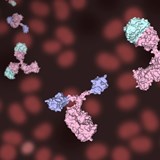
Currently, bispecific ADCs are still in the early stages of development globally, with only a few products entering the clinical development stage, and all of them are in early clinical stages.
With the rapid development of antibody-drug conjugate (ADC), more and more companies have entered the field of ADC research and development, and various types of ADC technologies and branches have emerged. Bispecific antibody conjugates (BsAb ADCs) are one of the emerging new technologies. The high specificity of bispecific antibodies enables more precise targeting of tumor cells. On the other hand, promoting the coordinated endocytosis of the two targets through cross-linking can improve the efficiency of toxins entering tumor cells. Currently, bispecific ADCs are still in the early stages of d…
With the rapid development of antibody-drug conjugate (ADC), more and more companies have entered the field of ADC research and development, and various types of ADC technologies and branches have emerged. Bispecific antibody conjugates (BsAb ADCs) are one of the emerging new technologies. The high specificity of bispecific antibodies enables more precise targeting of tumor cells. On the other hand, promoting the coordinated endocytosis of the two targets through cross-linking can improve the efficiency of toxins entering tumor cells. Currently, bispecific ADCs are still in the early stages of d…
Antimicrobial peptides refer to a variety of peptides with inhibitory or bactericidal activity in vivo, usually containing 20-60 amino acid residues with a molecular weight of 2000-7000 Da.
What are Antimicrobial Peptides? Antimicrobial peptides (AMPs) are naturally occurring peptide molecules found in various organisms, including humans, animals, plants, and microorganisms. These peptides play a crucial role in the innate immune system's defense against microbial infections, exhibiting antimicrobial properties that can inhibit the growth or kill bacteria, fungi, viruses, and even some parasites. AMPs possess broad-spectrum activity, targeting various pathogens. AMPs typically rapidly disrupt the integrity of microbial cell membranes, leading to cell lysis and death. This rapid m…
What are Antimicrobial Peptides? Antimicrobial peptides (AMPs) are naturally occurring peptide molecules found in various organisms, including humans, animals, plants, and microorganisms. These peptides play a crucial role in the innate immune system's defense against microbial infections, exhibiting antimicrobial properties that can inhibit the growth or kill bacteria, fungi, viruses, and even some parasites. AMPs possess broad-spectrum activity, targeting various pathogens. AMPs typically rapidly disrupt the integrity of microbial cell membranes, leading to cell lysis and death. This rapid m…

22-Nov-2023
siRNA, with a molecular weight of about 13 kDa, recruits the RNA-induced silencing complex (RISC) to mRNA through base pairing, thereby inhibiting protein translation. The mRNA is targeted for cleavage through the catalysis of the RISC protein Ago2, a member of the Argonaute family. In addition, other Ago proteins (Ago1, Ago3, and Ago4) catalyze endonuclease-mediated degradation of non-specific mRNA by locating the bound mRNA in processing bodies (P-bodies).
Limitations of siRNA as a proprietary drug Naked siRNA is easily degraded by nucleases in blood, and its relatively high molecular weight, negative charge, and hydrophilicity make it difficult to penetrate cell membranes. siRNA tends to accumulate in the kidney and be excreted in urine or is captured by the reticuloendothelial system (…
Limitations of siRNA as a proprietary drug Naked siRNA is easily degraded by nucleases in blood, and its relatively high molecular weight, negative charge, and hydrophilicity make it difficult to penetrate cell membranes. siRNA tends to accumulate in the kidney and be excreted in urine or is captured by the reticuloendothelial system (…

Specialised commissioning continues to be an issue of significance and uncertainty for both the NHS and industry. What do the latest reports of regional push back on the plans for devolution to Integrated Care Boards (ICBs) mean? Learn more about our upcoming webinar here.
For the past 2 years, Pharma, Medtech, and Diagnostic companies have identified the delegation of specialised commissioning to the new Integrated Care Boards (ICBs) as a key risk to their UK market access strategies. With its importance to income and the high risk of change devolution seems to promise, specialised commissioning is an obvious issue for providers of these products to place at the top of their risk logs. The devolution plans are also a risk for the NHS. Not least, because around two-thirds of the income of a…
For the past 2 years, Pharma, Medtech, and Diagnostic companies have identified the delegation of specialised commissioning to the new Integrated Care Boards (ICBs) as a key risk to their UK market access strategies. With its importance to income and the high risk of change devolution seems to promise, specialised commissioning is an obvious issue for providers of these products to place at the top of their risk logs. The devolution plans are also a risk for the NHS. Not least, because around two-thirds of the income of a…
For the preparation of drug delivery vehicle microspheres, microfluidic technology can produce microspheres in one step without further purification, with very homogeneous particle size and good monodispersity, thus microfluidic technology shows outstanding advantages in the preparation of drug delivery vehicles.
Microfluidic technology enables the preparation of microspheres with good monodispersity and controlled particle size and morphology. Carrier microspheres can be used as drug delivery vehicles to modify the drug release efficiency and improve the accuracy of drug action at the target site. For the preparation of drug delivery vehicle microspheres, microfluidic technology can produce microspheres in one step without further purification, with very homogeneous particle size and…
Microfluidic technology enables the preparation of microspheres with good monodispersity and controlled particle size and morphology. Carrier microspheres can be used as drug delivery vehicles to modify the drug release efficiency and improve the accuracy of drug action at the target site. For the preparation of drug delivery vehicle microspheres, microfluidic technology can produce microspheres in one step without further purification, with very homogeneous particle size and…
Chromatography testing and mass spectrometry are two analytical techniques widely used in scientific research, pharmaceuticals, food safety, environmental analysis, and forensic investigations.
Chromatography testing and mass spectrometry are two analytical techniques widely used in scientific research, pharmaceuticals, food safety, environmental analysis, and forensic investigations. These techniques play a crucial role in identifying and quantifying chemical compounds, determining the purity of substances, and understanding molecular structures. In this article, we will explore the principles, applications, and benefits of chromatography testing and mass spectrometry. Chromatography Testing Chromatography is a powerful separation technique that allows scientists to separate and analyze co…
Chromatography testing and mass spectrometry are two analytical techniques widely used in scientific research, pharmaceuticals, food safety, environmental analysis, and forensic investigations. These techniques play a crucial role in identifying and quantifying chemical compounds, determining the purity of substances, and understanding molecular structures. In this article, we will explore the principles, applications, and benefits of chromatography testing and mass spectrometry. Chromatography Testing Chromatography is a powerful separation technique that allows scientists to separate and analyze co…
In drug delivery systems, marine polysaccharides can be combined with nanotechnology to improve efficacy and safety by controlling the rate, timing, and location of drug release in the body. For example, chitosan-based nanoparticles have been developed to achieve controlled release of cationic drugs, enzyme immobilization support, and encapsulation of bioactive compounds.
Source of Marine Polysaccharides Marine polysaccharides are primarily sourced from a diverse range of marine organisms that thrive in oceans and seas. Seaweeds are the primary and most abundant source of marine polysaccharides. Seaweeds with high polysaccharide content, such as red algae (Rhodophyta), brown algae (Phaeophyceae), and green algae (Chlorophyta), have been extensively studied for their polysaccharide compositi…
Source of Marine Polysaccharides Marine polysaccharides are primarily sourced from a diverse range of marine organisms that thrive in oceans and seas. Seaweeds are the primary and most abundant source of marine polysaccharides. Seaweeds with high polysaccharide content, such as red algae (Rhodophyta), brown algae (Phaeophyceae), and green algae (Chlorophyta), have been extensively studied for their polysaccharide compositi…
Conducting toxicological evaluation helps assess potential risks associated with cosmetic ingredients, ensuring consumer safety.
Cosmetics play a significant role in our daily lives, with millions of people using them to enhance their appearance or maintain their skincare routine. However, the safety of these products should always be a top priority. To ensure the safety and quality of cosmetics, thorough toxicological evaluation, and physical and chemical testing are crucial steps in the development and manufacturing process. Physical and chemical testing of cosmetics is essential to assess their quality and stability. These tests help determine the physical properties and chemical composition of the products, ensuring they meet required standards. One of the most common physical test…
Cosmetics play a significant role in our daily lives, with millions of people using them to enhance their appearance or maintain their skincare routine. However, the safety of these products should always be a top priority. To ensure the safety and quality of cosmetics, thorough toxicological evaluation, and physical and chemical testing are crucial steps in the development and manufacturing process. Physical and chemical testing of cosmetics is essential to assess their quality and stability. These tests help determine the physical properties and chemical composition of the products, ensuring they meet required standards. One of the most common physical test…
In this article, we will explore various types of microneedle patch technologies, including phase-transition microneedle patches, hydrogel microneedle patches, solid microneedles, hollow microneedles, coated microneedles, and dissolving microneedles. Each of these technologies presents unique characteristics and benefits in drug delivery applications.
Microneedle patch technologies have revolutionized the field of drug delivery, offering a wide range of advantages over traditional methods. These innovative patches provide a minimally invasive and painless alternative to injections while ensuring precise and controlled drug administration. In this article, we will explore various types of microneedle patch technologies, including phase-transition microneedle patches, hydrogel microneedl…
Microneedle patch technologies have revolutionized the field of drug delivery, offering a wide range of advantages over traditional methods. These innovative patches provide a minimally invasive and painless alternative to injections while ensuring precise and controlled drug administration. In this article, we will explore various types of microneedle patch technologies, including phase-transition microneedle patches, hydrogel microneedl…
16-Nov-2023
As with antibody detection, the most commonly used antigen detection methods are enzyme-linked immunosorbent assay (ELISA) and lateral flow immunoassay (LFIA).
Antigen Detection Raw Materials An antigen is a molecule (such as protein) that causes the immune system to produce antibodies and trigger an immune response. In the case of COVID-19, structural proteins were found on the surface of SARS-CoV-2 virus. Therefore, it is possible to determine whether a person is infected with virus by detecting the presence of these proteins of the SARS-CoV-2 virus. At present, the authorized antigen detection is mainly to detect the spike or nucleocapsid protein antigen of SARS-CoV-2 virus from nasal swabs or similar clinical specimens to quickly diagnose active infection. Antigen detection is usually l…
Antigen Detection Raw Materials An antigen is a molecule (such as protein) that causes the immune system to produce antibodies and trigger an immune response. In the case of COVID-19, structural proteins were found on the surface of SARS-CoV-2 virus. Therefore, it is possible to determine whether a person is infected with virus by detecting the presence of these proteins of the SARS-CoV-2 virus. At present, the authorized antigen detection is mainly to detect the spike or nucleocapsid protein antigen of SARS-CoV-2 virus from nasal swabs or similar clinical specimens to quickly diagnose active infection. Antigen detection is usually l…
16-Nov-2023
For medical devices, unique device identification (UDI) is a standard requirement. UDI provides a standardized method for identifying and tracking medical devices, offering numerous benefits for patients, healthcare professionals, and the supply chain. It improves quality standards and transforms the medical device industry.
How UDI is Improving Medical Devices The safety and reliability of medical devices is paramount. However, there are times that issues arise, causing safety and other potential concerns. To quickly and efficiently handle these situations when they arise, several practices have been implemented over the years. In 2007, Congress decided that medical devices should not face lengthy recall periods like this. It instructed the Federal Drug Administration (FDA) to…
How UDI is Improving Medical Devices The safety and reliability of medical devices is paramount. However, there are times that issues arise, causing safety and other potential concerns. To quickly and efficiently handle these situations when they arise, several practices have been implemented over the years. In 2007, Congress decided that medical devices should not face lengthy recall periods like this. It instructed the Federal Drug Administration (FDA) to…

Maria Dimitrova (Consultant – HTA) and Samantha Gillard (Director – HTA) provide an overview of the EU Joint Clinical Assessment (JCA) and what it means for Pharma and Medical Device manufacturers launching new technologies from 2025.
What is the EU JCA? In January 2022, the European Parliament enacted a new EU Health Technology Assessment (HTA) Regulation, with the aim of standardising clinical assessment of medicines and high-risk medical devices across the EU and avoiding duplication of work. Currently, Pharma and Medtech manufacturers have to submit evidence individually in each of the 27 EU markets; the intention of the JCA is that at least some of the assessment can be done centrally. The JCA report will act as a universal information source for relative treatment effects, safety…
What is the EU JCA? In January 2022, the European Parliament enacted a new EU Health Technology Assessment (HTA) Regulation, with the aim of standardising clinical assessment of medicines and high-risk medical devices across the EU and avoiding duplication of work. Currently, Pharma and Medtech manufacturers have to submit evidence individually in each of the 27 EU markets; the intention of the JCA is that at least some of the assessment can be done centrally. The JCA report will act as a universal information source for relative treatment effects, safety…
Clinion has secured the top spot on the list of Clinical Trial Management Solutions for the year 2023
Austin, TX — November 08, 2023 Clinion is Named as The Top Clinical Trial Management Solution Provider of 2023 by Medhealth Review We are proud to announce that Clinion has secured the top spot on the list of Clinical Trial Management Solutions for the year 2023. This remarkable recognition underscores our commitment to transforming the landscape of clinical trials with cutting-edge AI-enabled technology. At Clinion, we’ve always aimed for excellence, and this achievement is a testament to our dedication to providing innovative solutions that streamline and enhance the entire clinical trial process. Our fully integrated eClinical software platform, equipped with EDC, IWRS/RTSM, CTMS, ePRO,…
Austin, TX — November 08, 2023 Clinion is Named as The Top Clinical Trial Management Solution Provider of 2023 by Medhealth Review We are proud to announce that Clinion has secured the top spot on the list of Clinical Trial Management Solutions for the year 2023. This remarkable recognition underscores our commitment to transforming the landscape of clinical trials with cutting-edge AI-enabled technology. At Clinion, we’ve always aimed for excellence, and this achievement is a testament to our dedication to providing innovative solutions that streamline and enhance the entire clinical trial process. Our fully integrated eClinical software platform, equipped with EDC, IWRS/RTSM, CTMS, ePRO,…

02-Nov-2023
The 18th Project Portfolio and Resource Management Excellence Conference, set for February 13-15, 2024 in Northern New Jersey, is a crucial event for industry leaders. The conference focuses on optimizing resource management, aligning project strategies, navigating market pressures, and embracing innovation. With a lineup of industry experts and insightful sessions, attendees can expect to gain actionable strategies and valuable connections.
Northern New Jersey, February 13-15, 2024 In an ever-evolving pharmaceutical and biotechnology landscape, effective portfolio and project management are paramount. The 18th Project Portfolio and Resource Management Excellence Conference, set to take place in Northern New Jersey from February 13th to 15th, 2024, promises to be a crucible of insights and…
Northern New Jersey, February 13-15, 2024 In an ever-evolving pharmaceutical and biotechnology landscape, effective portfolio and project management are paramount. The 18th Project Portfolio and Resource Management Excellence Conference, set to take place in Northern New Jersey from February 13th to 15th, 2024, promises to be a crucible of insights and…