Research and development - Articles
15-Nov-2022
Due to their special energy level structure, quantum dots exhibit unique physical properties. This article mainly discusses some properties of quantum dots, including quantum confinement effect, quantum size effect, surface effect and luminescence property.
Quantum dots, also known as semiconductor nanocrystals, are nanoscale materials composed of a small number of atoms. The number of atoms in a quantum dot is usually between a few and a few hundred, and their size in all three dimensions are less than 100 nm. The movement of carriers in the three dimensions of quantum dots is limited by the size effect. Due to the quantum confinement effect, the energy levels of carriers in quantum dots are similar to those of atoms having a discontinuous energy level structure, so quantum dots are also c…
Quantum dots, also known as semiconductor nanocrystals, are nanoscale materials composed of a small number of atoms. The number of atoms in a quantum dot is usually between a few and a few hundred, and their size in all three dimensions are less than 100 nm. The movement of carriers in the three dimensions of quantum dots is limited by the size effect. Due to the quantum confinement effect, the energy levels of carriers in quantum dots are similar to those of atoms having a discontinuous energy level structure, so quantum dots are also c…
In the drug company trade, with more uncertainties from the method of a research project, project management becomes tougher.
In the drug company trade, with more uncertainties from the method of a research project, project management becomes tougher. Project management within the pharmaceutical trade involves: Scope management Project coming up with, executing, and watching Timeline and budget coming up with and management Stakeholder management Management of regulative and compliance ways Environmental safety Risk management Team management Challenges underlie each of those aspects of project management. The interdependencies between these components create even additional advanced. Whereas the developed product is also effective for the supposed use, it's going to need dangerous chemi…
In the drug company trade, with more uncertainties from the method of a research project, project management becomes tougher. Project management within the pharmaceutical trade involves: Scope management Project coming up with, executing, and watching Timeline and budget coming up with and management Stakeholder management Management of regulative and compliance ways Environmental safety Risk management Team management Challenges underlie each of those aspects of project management. The interdependencies between these components create even additional advanced. Whereas the developed product is also effective for the supposed use, it's going to need dangerous chemi…

08-Nov-2022
The novel DUBTAC therapeutic platform enables the development of novel drugs against a wide range of human diseases, including cancer and neurodegenerative diseases as well as a variety of inherited diseases, by targeting abnormally degraded pathogenic proteins previously thought to be untargeted.
The use of Proteolysis Targeting Chimeras (PROTACs) to degrade dysfunctional proteins has shown great potential to target proteins that were previously considered “undruggable”, and several projects have entered clinical evaluation worldwide. Aberrant protein degradation, in fact, is also a pathogenic mechanism in some diseases, such as cystic fibrosis (CF) and some forms of cancer. Therefore, for these diseases, targeted protein stabilizers (TPS), rather than targeted protein degraders (TP…
The use of Proteolysis Targeting Chimeras (PROTACs) to degrade dysfunctional proteins has shown great potential to target proteins that were previously considered “undruggable”, and several projects have entered clinical evaluation worldwide. Aberrant protein degradation, in fact, is also a pathogenic mechanism in some diseases, such as cystic fibrosis (CF) and some forms of cancer. Therefore, for these diseases, targeted protein stabilizers (TPS), rather than targeted protein degraders (TP…
Staining is one of the most important steps in the preparation of biological microscope slides. First destroy the selective permeability of the cell membrane, and then use the dye to immerse the biological tissue in the dye, so that a certain part of the tissue cells is dyed with a different color or depth of color from other parts, resulting in different refractive indices for observation.
Staining is one of the most important steps in the preparation of biological microscope slides. First destroy the selective permeability of the cell membrane, and then use the dye to immerse the biological tissue in the dye, so that a certain part of the tissue cells is dyed with a different color or depth of color from other parts, resulting in different refractive indices for observation. Commonly used…
Staining is one of the most important steps in the preparation of biological microscope slides. First destroy the selective permeability of the cell membrane, and then use the dye to immerse the biological tissue in the dye, so that a certain part of the tissue cells is dyed with a different color or depth of color from other parts, resulting in different refractive indices for observation. Commonly used…
31-Oct-2022
Nano-materials, which made of silicon, gallium arsenide and other semiconductor materials, possess many excellent properties.
Nano-magnetic materials In practice, most of the nanomaterials are artificial. Magnetic nano-materials made up of small-sized nano-particles and single-domain structures, so they have very special magnetic properties and high coercivity properties. Recording materials that made up of magnetic nanomaterials are not only possess good sound, image quality, and high SNR(signal to noise ratio), but also have several times recording density of?-Fe2O3. Superparamagnetic ferromagnetic nanoparticles can also be made into magnetic fluids for electroacoustic devices, damping devices, rotary seals, lubrication and beneficiation fields. Nano-ceramic materials Traditional ceramic…
Nano-magnetic materials In practice, most of the nanomaterials are artificial. Magnetic nano-materials made up of small-sized nano-particles and single-domain structures, so they have very special magnetic properties and high coercivity properties. Recording materials that made up of magnetic nanomaterials are not only possess good sound, image quality, and high SNR(signal to noise ratio), but also have several times recording density of?-Fe2O3. Superparamagnetic ferromagnetic nanoparticles can also be made into magnetic fluids for electroacoustic devices, damping devices, rotary seals, lubrication and beneficiation fields. Nano-ceramic materials Traditional ceramic…
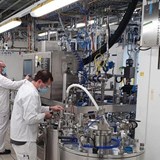
Bachem, the Swiss pharmaceutical company, invested in a capacity expansion for large-scale production of oligonucleotide active pharmaceutical ingredients (APIs).
Each step within the company’s oligonucleotide manufacturing process uses unique, innovative equipment to deliver the highest-quality products and to increase sustainability. Tailor-made oligonucleotide synthesisers To ensure only the highest-quality oligonucleotide is supplied to customers, Bachem designed a large-scale oligonucleotide synthesiser. This synthesiser optimises the process of oligonucleotide synthesis and has been qualified for GMP batches from a 0.2 mol to 2 mol scale. One of the engineering solutions used for the innovative synthesiser is in-line mixing of dichloroacetic acid (DCA) and toluene. This solution is u…
Each step within the company’s oligonucleotide manufacturing process uses unique, innovative equipment to deliver the highest-quality products and to increase sustainability. Tailor-made oligonucleotide synthesisers To ensure only the highest-quality oligonucleotide is supplied to customers, Bachem designed a large-scale oligonucleotide synthesiser. This synthesiser optimises the process of oligonucleotide synthesis and has been qualified for GMP batches from a 0.2 mol to 2 mol scale. One of the engineering solutions used for the innovative synthesiser is in-line mixing of dichloroacetic acid (DCA) and toluene. This solution is u…
The world is facing the highest inflation rates in 40 years, and pundits are talking of a possible recession in the coming months. The causes of this are well understood – a combination of factors including a shrinking labour pool, pandemic-related disruptions, global energy shortage, and the current crisis in Ukraine have placed persistent pressure on fragile supply chains, creating the perfect recipe for escalating costs.
The world is facing the highest inflation rates in 40 years, and pundits are talking of a possible recession in the coming months. The causes of this are well understood – a combination of factors including a shrinking labour pool, pandemic-related disruptions, global energy shortage, and the current crisis in Ukraine have placed persistent pressure on fragile supply ch…
The world is facing the highest inflation rates in 40 years, and pundits are talking of a possible recession in the coming months. The causes of this are well understood – a combination of factors including a shrinking labour pool, pandemic-related disruptions, global energy shortage, and the current crisis in Ukraine have placed persistent pressure on fragile supply ch…
Amplexor’s Renato Rjavec describes practical steps to building the skills for a data-driven future.
Most life sciences Regulatory teams still think and work in terms of documents. Yet it is data, rather than pre-prepared dossiers, that is moving into focus and many companies do not have the necessary skills base to handle this. Stakeholders across the life sciences and healthcare ecosystem are increasingly realising that a data-first approach to collecting, managing and communicating product information will be the most efficient and reliable way to maintain consistent, definitive, current and high-quality record of a product entering or on the market. One that can be interpreted and use in a wide range of use cases, by the broadest possible range of people (from regulators to clinicians, p…
Most life sciences Regulatory teams still think and work in terms of documents. Yet it is data, rather than pre-prepared dossiers, that is moving into focus and many companies do not have the necessary skills base to handle this. Stakeholders across the life sciences and healthcare ecosystem are increasingly realising that a data-first approach to collecting, managing and communicating product information will be the most efficient and reliable way to maintain consistent, definitive, current and high-quality record of a product entering or on the market. One that can be interpreted and use in a wide range of use cases, by the broadest possible range of people (from regulators to clinicians, p…

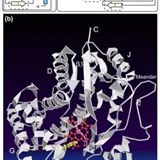
CYP450 has been extensively studied since its discovery was reported in 1962 in the journal JBC, including structural features, catalytic mechanisms, regulation, and many other aspects of biochemistry. Scientists believe that further research and engineering advances on CYP450 will bring great benefits to synthetic biology in the future.
Overview of Cytochrome P450 Cytochrome P450 (CYP450), is a family of hemoglobin-coupled monooxygenases. In mammals, CYP450 oxidizes steroids, fatty acids, and xenobiotics, playing an important role in the metabolism of various compounds as well as in the synthesis and breakdown of hormones. In plants, they regulate the synthesis of defense compounds, fatty acids, and hormones. With the progress of research, the effects of CYP450 on organic synthesis and dru…
Overview of Cytochrome P450 Cytochrome P450 (CYP450), is a family of hemoglobin-coupled monooxygenases. In mammals, CYP450 oxidizes steroids, fatty acids, and xenobiotics, playing an important role in the metabolism of various compounds as well as in the synthesis and breakdown of hormones. In plants, they regulate the synthesis of defense compounds, fatty acids, and hormones. With the progress of research, the effects of CYP450 on organic synthesis and dru…
A data-first approach to content sharing, using flexible and dynamic data objects, is consigning structured document authoring to history. Generis’ James Kelleher explains how a shift towards real-time data as a single source of truth is fast replacing the traditional structured document authoring approach.
Structured authoring was designed to be the future of document authoring – the ultimate efficiency in presenting information. But a data-driven approach to information sharing is set to address issues with version control and provide a more traceable line back to the master source of intelligence. This does mean that structured document authoring, as a much-anticipated technology proposition, is already obsolete - before it really had a chance to get off the ground. The original concept…
Structured authoring was designed to be the future of document authoring – the ultimate efficiency in presenting information. But a data-driven approach to information sharing is set to address issues with version control and provide a more traceable line back to the master source of intelligence. This does mean that structured document authoring, as a much-anticipated technology proposition, is already obsolete - before it really had a chance to get off the ground. The original concept…

Life sciences companies are increasingly looking to the next step in regulatory information management modernisation. The focus is now on enabling smarter end to end process management while enhancing data flow with the wider enterprise. Drawing on his company’s 2022 World Class RIM Survey, Gens & Associates founder Steve Gens reveals the plans and ambitions for world-class RIM .
A decade since we started tracking their ambitions for improving regulatory information management (RIM), life science regulatory operations have achieved much in modernizing the immediate function globally and improving general efficiency. They have also deepened the strategic partnership with other functions such as clinical, quality, and manufacturing - to improve regulatory pathways/expedite new product approva…
A decade since we started tracking their ambitions for improving regulatory information management (RIM), life science regulatory operations have achieved much in modernizing the immediate function globally and improving general efficiency. They have also deepened the strategic partnership with other functions such as clinical, quality, and manufacturing - to improve regulatory pathways/expedite new product approva…

A data-first approach to content sharing, using flexible and dynamic data objects, is consigning structured document authoring to history. Generis’ James Kelleher explains how a shift towards real-time data as a single source of truth is fast replacing the traditional structured document authoring approach.
Structured authoring was designed to be the future of document authoring – the ultimate efficiency in presenting information. But a data-driven approach to information sharing is set to address issues with version control and provide a more traceable line back to the master source of intelligence. This does mean that structured document authoring, as a much-anticipated technology proposition, is already obsolete - before it really had a chance to get off the ground. The original concept…
Structured authoring was designed to be the future of document authoring – the ultimate efficiency in presenting information. But a data-driven approach to information sharing is set to address issues with version control and provide a more traceable line back to the master source of intelligence. This does mean that structured document authoring, as a much-anticipated technology proposition, is already obsolete - before it really had a chance to get off the ground. The original concept…

The COVID-19 pandemic has brought an increased focus on where the next serious infectious disease might originate. Stakeholders from across the industry, including biopharmaceutical companies, governments, and non-profit organizations, are rethinking their pandemic readiness, and there is a new focus on the next potential threat of a highly pathogenic new virus or Disease X.1
The COVID-19 pandemic has brought an increased focus on where the next serious infectious disease might originate. Stakeholders from across the industry, including biopharmaceutical companies, governments, and non-profit organizations, are rethinking their pandemic readiness, and there is a new focus on the next potential threat of a highly pathogenic new virus or Disease X.1 If, or when, the next pandemic arises from…
The COVID-19 pandemic has brought an increased focus on where the next serious infectious disease might originate. Stakeholders from across the industry, including biopharmaceutical companies, governments, and non-profit organizations, are rethinking their pandemic readiness, and there is a new focus on the next potential threat of a highly pathogenic new virus or Disease X.1 If, or when, the next pandemic arises from…

13-Sep-2022
As drug delivery vehicles, liposomes have low toxicity and immunogenicity, and the high biocompatibility and biodegradability of their components—phospholipids can increase the in vivo drug concentrations and protect drugs from degradation.
Due to the amphiphilic nature of lipids in liposomes, they can serve as candidate vehicles for drug delivery, and liposomes have received more attention than other systems because of their remarkable ability to deliver drugs to their target sites. Advantages of Liposomes as Drug Delivery Vehicles As drug delivery vehicles, liposomes have low toxicity and immunogenicity, and the high biocompatibility and biodegradability of their components—phospholipids can increase the in vivodrug concentrations and protect drugs from degradation. They can be easily mo…
Due to the amphiphilic nature of lipids in liposomes, they can serve as candidate vehicles for drug delivery, and liposomes have received more attention than other systems because of their remarkable ability to deliver drugs to their target sites. Advantages of Liposomes as Drug Delivery Vehicles As drug delivery vehicles, liposomes have low toxicity and immunogenicity, and the high biocompatibility and biodegradability of their components—phospholipids can increase the in vivodrug concentrations and protect drugs from degradation. They can be easily mo…
Liposomes vary in size, composition and charge and can be used as carriers for a wide range of drug molecules.
Liposomes are a novel drug delivery system (DDS). They are bimolecular vesicles that form spontaneously when phospholipids are dispersed in water. Liposomes vary in size, composition and charge and can be used as carriers for a wide range of drug molecules, such as chemotherapeutic agents, antimicrobial and antiviral drugs, antiparasitic drugs, genetic material, vaccines, therapeutic proteins, and anti-inflammatory agents. Liposomal formulations have unique advantages in both safety and efficacy, so they are one of the most rapidly developing formulations in recent years. In the past 30 years, research in the field of liposomes has made great progress. Various types…
Liposomes are a novel drug delivery system (DDS). They are bimolecular vesicles that form spontaneously when phospholipids are dispersed in water. Liposomes vary in size, composition and charge and can be used as carriers for a wide range of drug molecules, such as chemotherapeutic agents, antimicrobial and antiviral drugs, antiparasitic drugs, genetic material, vaccines, therapeutic proteins, and anti-inflammatory agents. Liposomal formulations have unique advantages in both safety and efficacy, so they are one of the most rapidly developing formulations in recent years. In the past 30 years, research in the field of liposomes has made great progress. Various types…
01-Sep-2022
Engineered bacteria can be used as anticancer agents, in which suitable bacterial strains are engineered to colonize hypoxic tumor environments and provide therapeutic payloads.
Engineered bacteria can be used as anticancer agents, in which suitable bacterial strains are engineered to colonize hypoxic tumor environments and provide therapeutic payloads. The hypoxic microenvironment changes tumor cell metabolism and leads to cell quiescence, which contributes to tumor cell resistance to therapy. Live bacteria can inherently colonize areas of hypoxic tumors. In tumor-bearing mice, the intravenously injected bacteria were initially delivered nonpreferentially to healthy and tumor tissues. Over time, the nontumor tissues and circulating bacteria were rapidly cleared, whereas the tumor bacteria…
Engineered bacteria can be used as anticancer agents, in which suitable bacterial strains are engineered to colonize hypoxic tumor environments and provide therapeutic payloads. The hypoxic microenvironment changes tumor cell metabolism and leads to cell quiescence, which contributes to tumor cell resistance to therapy. Live bacteria can inherently colonize areas of hypoxic tumors. In tumor-bearing mice, the intravenously injected bacteria were initially delivered nonpreferentially to healthy and tumor tissues. Over time, the nontumor tissues and circulating bacteria were rapidly cleared, whereas the tumor bacteria…
Due to the wide range of oligonucleotide drug indications, including tumors, rare diseases (amyotrophic lateral sclerosis, Duchenne muscular dystrophy, spinal muscular atrophy), viral diseases, kidney diseases, cardiovascular diseases, inflammatory diseases, and metabolic diseases (diabetes) are expected to bring about the small molecular drugs, antibody drugs after a wave of new drug research and development.
Introduction of oligonucleotide drugs Oligonucleotides are a class of nucleic acid molecules consisting of dozens of nucleotides with short sequences. They mainly inhibit the expression of target proteins through gene silencing so as to achieve the purpose of treating diseases. The world's first antisense nucleic acid drug was approved in 1998, which started the journey of oligonucleo…
Introduction of oligonucleotide drugs Oligonucleotides are a class of nucleic acid molecules consisting of dozens of nucleotides with short sequences. They mainly inhibit the expression of target proteins through gene silencing so as to achieve the purpose of treating diseases. The world's first antisense nucleic acid drug was approved in 1998, which started the journey of oligonucleo…
01-Sep-2022
A variety of newly developed peptide-based drugs are expected to become a promising new class of anti-tumor therapeutic drugs. This blog will give a brief introduction to anti-tumor drugs based on peptide form.
Peptide-based drug design has attracted much interest with the rapid growth of bioinformatics knowledge related to peptides and proteins. In the past, peptide-based drugs were not widely used due to some limitations such as low selectivity and rapid degradation of peptides in biological systems. Excitingly, novel peptide-based therapies emerged in recent years, showing excellent anti-tumor efficacy. A variety of newly developed peptide-based drugs are expected to become a promising new class of anti-tumor therapeutic drugs. This blog will give…
Peptide-based drug design has attracted much interest with the rapid growth of bioinformatics knowledge related to peptides and proteins. In the past, peptide-based drugs were not widely used due to some limitations such as low selectivity and rapid degradation of peptides in biological systems. Excitingly, novel peptide-based therapies emerged in recent years, showing excellent anti-tumor efficacy. A variety of newly developed peptide-based drugs are expected to become a promising new class of anti-tumor therapeutic drugs. This blog will give…
01-Sep-2022
CPPs are believed to matter a lot in the treatment of animal and human diseases as more interdisciplinary research goes deeper and its potential effectiveness and specificity continue to be explored.
Cell-penetrating peptides (CPPs) are short peptides that facilitate cellular intake and uptake of molecules ranging from nano-size particles to small chemical compounds to large fragments of DNA. As a versatile peptide, CPP has been widely used for diagnostic and therapeutic applications. 1. Oligo and siRNA Transport As an important means for targeted therapy of specific genes, oligonucleotides and siRNA can regulate protein activation and post-transcriptional gene expression. Besides, they’re also broadly utilized in the research of signal transmission systems, upstream and downstrea…
Cell-penetrating peptides (CPPs) are short peptides that facilitate cellular intake and uptake of molecules ranging from nano-size particles to small chemical compounds to large fragments of DNA. As a versatile peptide, CPP has been widely used for diagnostic and therapeutic applications. 1. Oligo and siRNA Transport As an important means for targeted therapy of specific genes, oligonucleotides and siRNA can regulate protein activation and post-transcriptional gene expression. Besides, they’re also broadly utilized in the research of signal transmission systems, upstream and downstrea…
Epigenetics is an emerging field of research that focuses on the effects of environmental factors, such as infections, pollutants, stress, and long-term drug exposure, on an individual's genome. Epigenetic changes do not alter the structure of DNA, but do alter the way DNA is modified. Thereby, those changes include DNA methylation, histone modifications and non-coding RNAs. affects gene regulation.
Epigenetics is an emerging field of research that focuses on the effects of environmental factors, such as infections, pollutants, stress, and long-term drug exposure, on an individual's genome. Epigenetic changes do not alter the structure of DNA, but do alter the way DNA is modified. Thereby, those changes include DNA methylation, histone modifications and non-coding RNAs. affects gene regulat…
Epigenetics is an emerging field of research that focuses on the effects of environmental factors, such as infections, pollutants, stress, and long-term drug exposure, on an individual's genome. Epigenetic changes do not alter the structure of DNA, but do alter the way DNA is modified. Thereby, those changes include DNA methylation, histone modifications and non-coding RNAs. affects gene regulat…